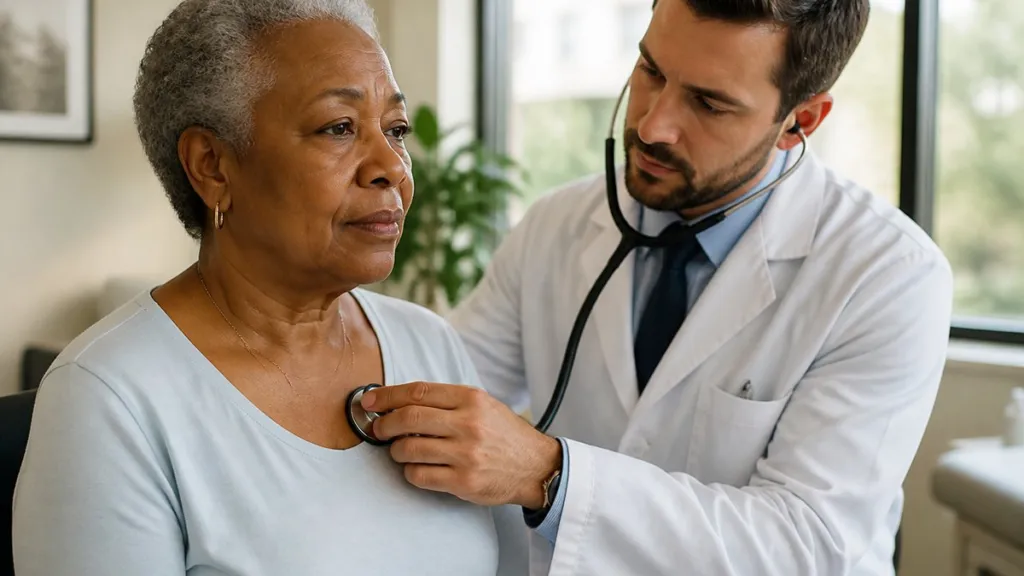
A cardiologist provides treatments to improve heart health. Some therapies rely on implanted devices, while others use catheters threaded through blood vessels to reach precise targets. When these procedures are planned carefully and matched to the right diagnosis, they support heart function, reduce symptoms, and lower the chance of future complications. Here is more information on the treatments cardiologists provide:
This guide is part of the everyday reading list on Glorvix.com.
Pacemaker
A pacemaker is a small device that sends electrical impulses to keep the heart from beating too slowly; it sits under the skin of the chest with leads that connect to the heart. The device monitors the heartbeat continuously. It delivers a signal when the heart rate drops below a programmed level, which helps maintain steady circulation. Because the system works in the background and stores data, a cardiologist can review how often pacing occurs and adjust settings during follow-up visits.
Angioplasty
Angioplasty uses a thin catheter with a balloon at the tip to widen narrowed or blocked arteries that limit blood flow to the heart muscle. The procedure usually starts with a small puncture in an artery, and the cardiologist guides the catheter to the blockage under X-ray imaging. This shows the outline of the coronary vessels. Once the balloon reaches the narrowed segment and inflates, the plaque is compressed against the artery wall, and this creates a wider channel for blood flow.
In some cases, a stent is placed during angioplasty; the stent is a metal mesh tube that expands with the balloon and stays in the artery after the balloon deflates. The stent supports the vessel from the inside. It may reduce the chance that the artery will narrow again at the same spot, so long-term blood flow remains more stable. After angioplasty with stent placement, patients may take medications that reduce the risk of clot formation inside the stent. The cardiologist uses follow-up visits to track symptoms, review test results, and adjust therapy.
Catheter Ablation
Catheter ablation targets abnormal electrical pathways in the heart, and it may be used when medications do not adequately control rapid or irregular rhythms. During the procedure, the cardiologist threads several catheters through veins into the heart. Those catheters contain sensors that record electrical activity in real time. By mapping the signals, the care team identifies the tissue that triggers or sustains the arrhythmia. Focused energy is applied to that small region.
The energy source may be heat from radiofrequency waves or cold from cryotherapy. Either method creates tiny scars that block the faulty electrical circuit. When the abnormal pathway is interrupted, the rhythm usually returns to a more regular pattern; symptoms like palpitations or shortness of breath may lessen. After catheter ablation, rhythm monitoring continues for a period of time. The cardiologist evaluates whether medications can be reduced or adjusted once the heart’s electrical system stabilizes.
Different arrhythmias respond to different ablation strategies. The approach depends on where the signals arise and how complex the pathways are. Some patients need only a short procedure that targets a single focus, while others undergo more extensive mapping of both upper and lower chambers. When ablation reduces arrhythmia burden, quality of life may improve.
Visit a Cardiologist Today
Device therapy, angioplasty, and catheter ablation each address specific heart problems; a thorough evaluation helps match the right treatment to the right person. A cardiologist reviews medical history and current symptoms. That information guides decisions about whether a procedure is appropriate or whether medical therapy remains the better option. If you are exploring professional cardiology treatments, consult a cardiologist.
- Annual Physicals and Understanding Key Factors That Affect Your Health
- Using Cryoablation To Treat Chronic Conditions
- Elevating Your Space With Designer Paint Finishes
- Creating the Perfect Atmosphere in Your Podcast Studio
- Advantages of Enrolling in an Online DNP Program
Find more practical guides on the Glorvix home page.